Understanding Mechatronic Unit Replacement in Audi & Volkswagen Vehicles with the DQ200 Transmission
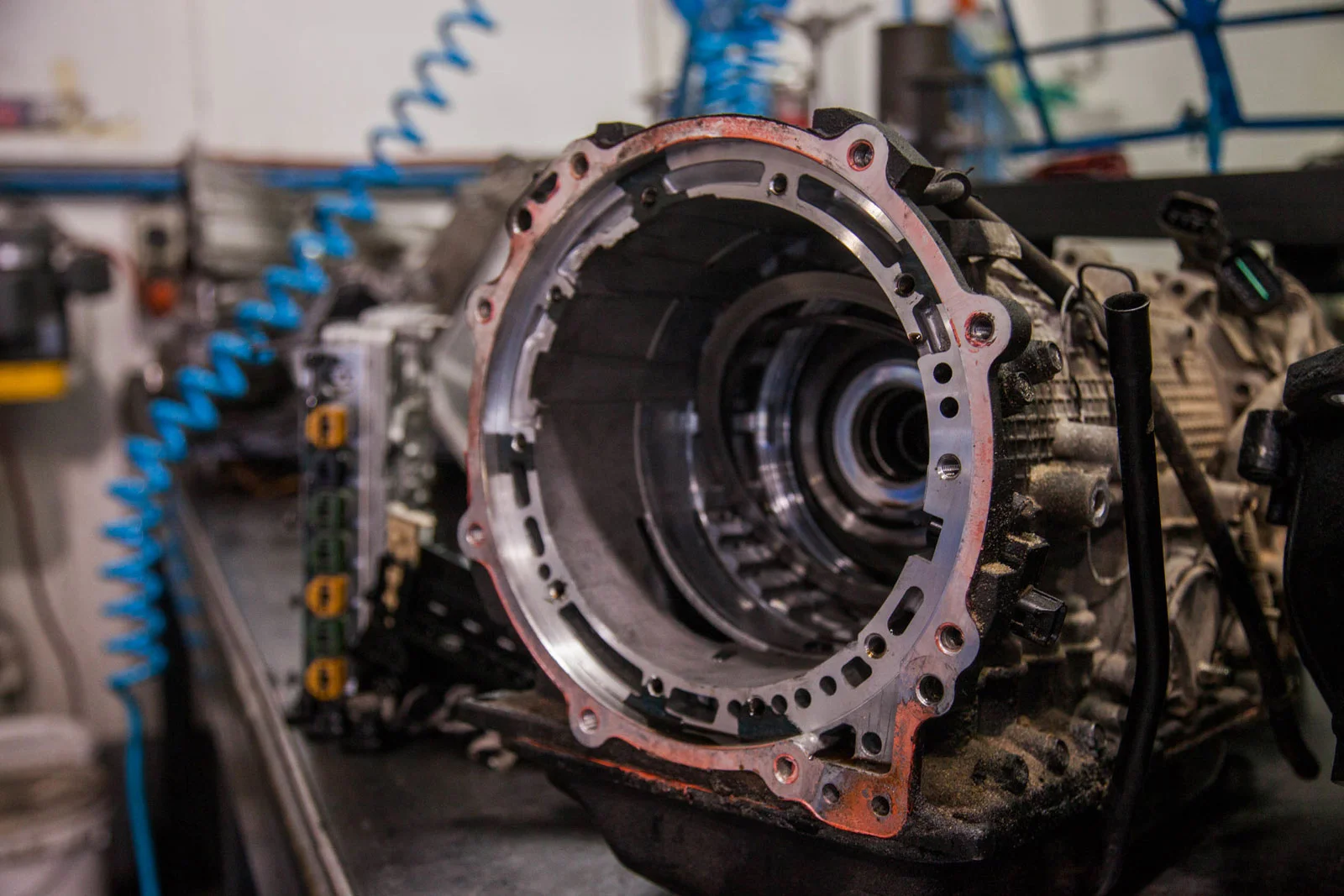
If you own an Audi or Volkswagen fitted with the DQ200 7-speed DSG transmission, you may have heard the term “mechatronic unit” before usually in the same conversation as words like judder, gear slip, or warning lights. At Col Voss Automatics, we see our fair share of DQ200 transmission issues, and one of the most common repairs involves replacing this critical component.
What is the Mechatronic Unit?
The mechatronic unit is essentially the brain and muscle of your DSG transmission. It’s an electro-hydraulic control unit that combines sensors, actuators, and the transmission control module (TCM) into one housing. This unit is responsible for selecting gears, controlling clutch operation, and managing hydraulic pressure throughout the transmission.
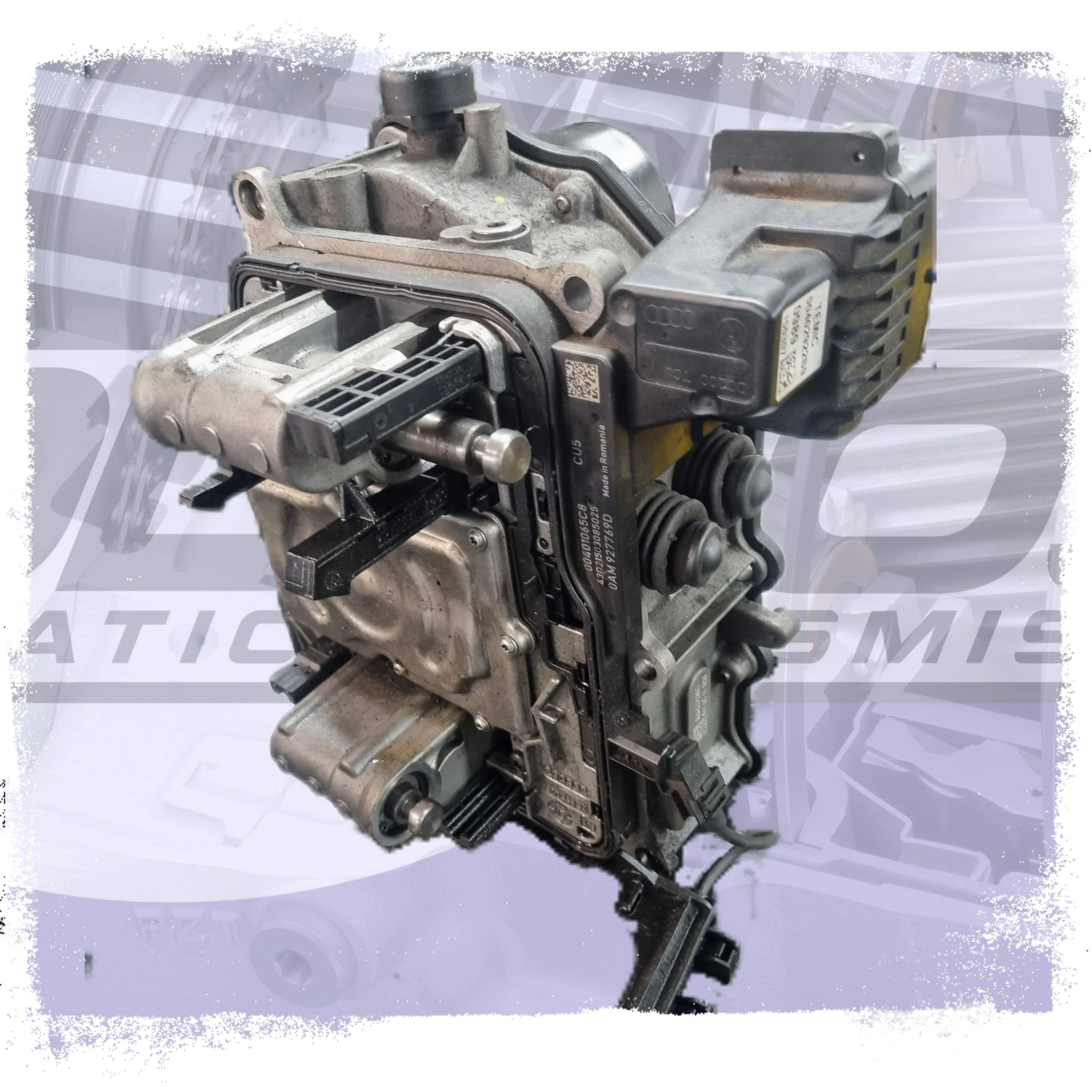
In the DQ200, it plays an especially important role because this transmission uses two dry clutches one for the odd gears and one for the even gears and the mechatronics control the seamless handover between them. When working correctly, this results in lightning fast, smooth gear changes. But when things go wrong, the symptoms can be frustrating and sometimes dangerous.
Common Symptoms of a Failing DQ200 Mechatronic Unit
Owners often report:
Harsh or delayed gear engagement (especially when cold)
Jerking or shuddering when taking off or under light throttle
Loss of drive or neutralisation mid journey
Warning lights on the dashboard, such as the transmission or EPC light
Intermittent fault codes, often relating to fluid pressure sensors, gear selection, or clutch actuation
In many cases, scanning the transmission control system reveals codes such as P0841 (Transmission Fluid Pressure Sensor) or specific gear selection faults. Live data can also reveal rapid pressure cycling or low clutch pressure build-up.
How We Diagnose and Repair
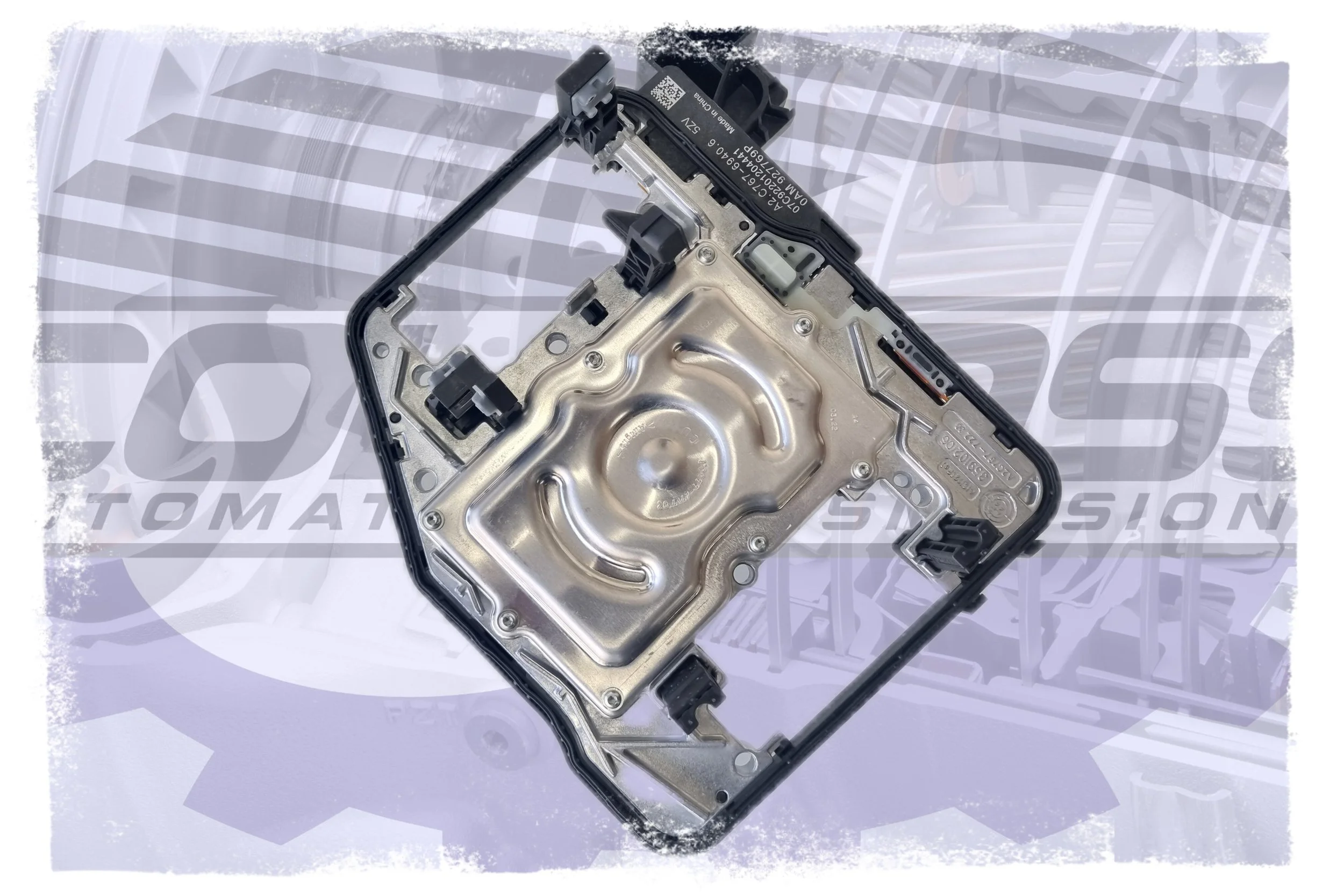
At Colvoss, we don’t jump straight to replacing parts. Every mechatronic-related repair starts with a full road test, a scan for diagnostic codes, and a live data analysis of the mechatronic’s hydraulic pressure performance. We check fluid levels and quality, look for wiring damage or connector corrosion, and even attempt basic setting or clutch re-learn procedures where appropriate.
If the issue persists and the mechatronic is confirmed as the culprit, we remove the unit, replace it with a new or remanufactured OEM-spec component, and update or code it to the vehicle using our factory level diagnostic equipment.
We also inspect related components such as the clutch assembly, shift fork bearings, and wiring harness to ensure there are no secondary causes of the failure.
Why Early Attention Matters
A failing mechatronic unit left unchecked can cause further transmission damage. For example, low or fluctuating hydraulic pressure can accelerate clutch wear, and repeated gear slip can put unnecessary stress on the gearbox internals.
In some cases, we see vehicles where the customer has driven for months with early symptoms, only to have the repair cost escalate because the clutch pack now needs replacement as well. Prompt diagnosis can prevent this.
Our Experience with DQ200 Repairs
We have extensive experience with DQ200 units across a range of VW and Audi models from Golf and Polo to A3 and Q3. Our workshop has handled cases from mild shudder on take-off to complete loss of drive. By combining advanced diagnostics, technical service bulletin research, and years of hands-on DSG repair experience, we can offer solutions that last.
In Summary
If your Audi or Volkswagen with a DQ200 transmission is showing early signs of gear slip, shudder, or flashing warning lights, it could be the mechatronic unit calling for help. Early intervention is key, and our team can help diagnose and repair the fault before it becomes a bigger (and more expensive) problem.